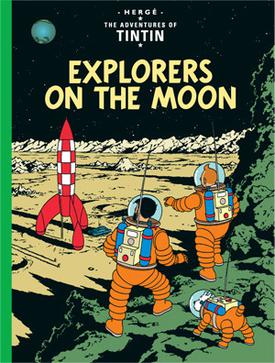
Over the past year or so, I’ve learned quite a bit about science fiction that I never knew before. Now, I can’t by any means claim to be an expert on the subject, but I have discovered a few fun things that I want to share. If you’ll remember, back in April, I made a “starter pack” of Star Trek episodes I thought would best introduce someone to the series. I’m going to do the same thing here, this time with some books, television episodes, and movies I’ve enjoyed watching, and think are a good introduction to science fiction history.
Novels of the 1800s-
1. Frankenstein by Mary Shelley (1818)-

Sometimes the classics are the hardest to get into. You hear about them all the time, but where do you start? Well, when it comes to science fiction, I suggest you start at the beginning, with Frankenstein by Mary Shelley. While the melodramatic ‘protagonist’, Dr. Victor Frankenstein, can be a bit long winded, his depth of insight, as well as the testimony of his creation, lay the groundwork for how sci-fi would explore the human condition.
2. 20,000 Leagues Under the Sea by Jules Verne (1870)-

Yes, there are a lot of descriptions of fish, but if you can accept that, you will be able to enjoy an entertaining precursor to space exploration stories such as Star Trek. The three main protagonists, as well as Captain Nemo are all very compelling. The interactions between Professor Aronnax, Ned Land, and Conseil even remind me of Captain Kirk, Mr. Spock, and Dr. McCoy a bit. If you are a sci-fi connoisseur or a hardcore Trekkie, this is a must-read.
3. Dr. Jekyll and Mr. Hyde by Robert Louis Stevenson (1886)-

Robert Louis Stevenson takes Shelley’s mad scientist and destructive creature and synthesizes them into the same person. This is one of those classics of literature where the title gets referenced and the plot gets recycled just about everywhere. It’s a quick read, too. I finished it in about one afternoon when I was reading it for a class.
4. The Time Machine by H.G. Wells (1895)-

Wells gets two spots on this list because he introduced so many of the classic sci-fi subgenres to the mainstream reading audience. While time travel had been played with before by the likes of Mark Twain, H.G. Wells was the first one to truly theorize about the methods of time travel- not just the results. Have you ever heard of time referred to as the fourth dimension? That’s because of The Time Machine. It’s also a pretty quick book to finish.
5. War of the Worlds by H.G. Wells (1897)-

When I started reading H.G. Wells and Jules Verne, I expected them to be a bit tedious, and was therefore amazed at how they kept me turning the pages. War of the Worlds is exciting. It’s terrifying. It’s compelling, and it is the quintessential alien invasion story.
Television Episodes-
Since the 1960s, one of the main ways sci-fi has reached the general public is through television. Shows like Star Trek and The Twilight Zone have made a lasting impact on our society. Here are ten sci-fi TV episodes that I think give a good overview of some of the best features of the genre.
1. “Nightmare at 20,000 Feet” The Twilight Zone (1963)-
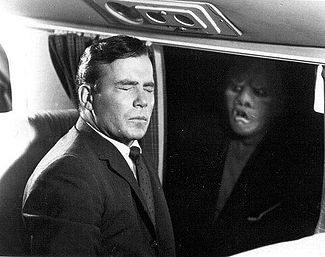
A fan-favorite, and a classic example of The Twilight Zone twist, this episode combines all the drama of William Shatner’s acting with all the eerie suspense of the show’s brilliant writing.
2. “The Production and Decay of Strange Particles” The Outer Limits (1964)-

If you haven’t watched The Outer Limits, you should definitely start. It’s like The Twilight Zone, but with hard sci-fi plots and happy endings. This episode is a great example of the fusion of a highly scientific concept with characters you grow to care about.
3. “The Aztecs” Doctor Who (1964)-

One of the very earliest adventures of William Hartnell’s first Doctor, this episode contains all the best elements of time travel sci-fi: intercultural confusion, the struggle over whether or not to interfere, and historical drama.
4. “Mirror, Mirror” Star Trek (1967)-

This is probably the best example of an alternate universe television episode there is. Or, at least it is the most iconic. Sure, it’s melodramatic, but that’s the fun of Star Trek. This episode takes everything you know about the Star Trek universe, and twists it just enough to make it creepy, but not so much as to make it overly dark. Plus, Mirror Spock has a goatee.
5. “The Schizoid Man” The Prisoner (1967)-

If you’re ready for a wacky, mod, surrealist adventure through the eyes of a man fighting to keep his individuality in a colorful, shiny, dystopia, you’re ready for The Prisoner. This gem of British television deserves to be watched in its entirety, (it’s only 17 episodes), but if you only have time for one, consider “The Schizoid Man”. In it, protagonist Number Six, must fight for his sanity as his captors in The Village try to convince him by all methods at their disposal that he is someone else.
6. “Darmok” Star Trek: The Next Generation (1991)-

This episode boldly goes where no Star Trek episode has gone before, by exploring the intricacies of inter-cultural communication. Captain Picard spends time with an alien whose language is beyond the scope of the universal translator, and must learn to communicate with him.
7. “Never Fear” The New Batman Adventures (1997)-

Batman seems like a pretty fearless character, but it takes a dose of the Scarecrow’s anti-fear gas to show what his boundaries really are, and what will happen when he crosses them. This is also a great sidekick episode, as Robin (Tim Drake) has to be the one to reign Batman in.
8. “Window of Opportunity” Stargate: SG-1 (2000)-

This episode demonstrates beautifully the way that Stargate: SG-1 was able to blend science fiction with humor, and emotional depth. There are a lot of hilarious beats as the SGC is trapped inside a ten-hour time loop, and Colonel O’Neill and Teal’C are the only ones who remember. However, it’s not simply a goofy episode, as the writers also explore some deep and emotional themes of grief and letting go.
9. “A Better World” Justice League (2003)-

This episode borrows from the ideas of Mirror, Mirror, and other alternate universe stories, and adds superheroes. The result is a study in the corrupting nature of absolute power, and the significance of every life.
10. “Dinosaurs on a Spaceship” Doctor Who (2012)-

When you take The Doctor and his companions, Cleopatra, a big game hunter from the turn of the century, dinosaurs and a villainous trader and put them on a space ship together, what do you get? You get exactly the type of quirky, adventurous, sci-fi romp we’ve all come to expect from Doctor Who. That’s what you get.
Films-
1. Metropolis (1927)-

This visually stunning dystopian story from the silent film era is a classic for a reason. It pairs impressive special effects with ahead-of-its-time social commentary for a truly memorable
masterpiece of science fiction.
2. Invasion of the Body Snatchers (1956)-

The aliens in this movie are horrifying in their invisibility. The paranoia and stress build throughout the movie to a cliff-hanger climax that has led to much speculation over the years as to the inspiration for the film.
3. Forbidden Planet (1956)-

This is the film that inspired Star Trek, Star Wars, and all the science fiction that came after them. If you’re a Trekkie or a Star Wars fan, you’re bound to recognize some element of the story or set that was pilfered for your favorite series. If you’re a sci-fi junkie, you’ll enjoy the Technicolor goodness, and the frightening revelations about the human condition.
4. Star Wars: A New Hope (1977)-

If you’ve never seen Star Wars before, I’m impressed. It’s best to start with the first one released. You’ll probably recognize the plot and characters from pop culture, but it’s exciting enough that you can still enjoy the ride after multiple viewings.
5. Star Trek II: The Wrath of Khan (1982)-

People who say that this is the best Star Trek movie ever are absolutely correct. It may seem dramatic to some, but it’s not supposed to be realistic. It’s supposed to be cinematic literature. Nicholas Meyer and Harve Bennett used all of the characters and actors from Gene Roddenberry’s groundbreaking 1960s show to their full potential in this one. Also, it’s my favorite movie ever, and I’m totally biased.
I’m still watching, reading, and listening, so I’m sure there are more things I’ll be able to add to this list in the future. Is there anything you would recommend to me? I’d love to hear about them. Let me know in the comments. I’m always game for good sci-fi!
Keep on glowing in the dark,
Elora