It’s April 16th. Somehow, by some miracle, this blog has lasted for a whole year! Not only that, but it’s also managed to make it to fifty posts! I’m very grateful to be able to write about these things that I love in light of God’s truth, and share my thoughts with other people. It has been a great privilege and a great blessing. If you’ve been reading this blog from the beginning, or if this is the first post of mine you’ve ever read, I’m grateful for you!
Since it’s sort of a special occasion, I thought I’d write a special sort of post. This is something I’ve wanted to do for a while, and I might do some more of them later on. However, never fear, your regularly scheduled sci-fi history posts will resume after this week. For now, thanks for reading, and supporting me in this crazy blogging venture, and I hope you enjoy this Star Trek “starter kit”.
If you are a geek, you probably want to share the objects of your geeky affections with your friends. However, asking your friends to watch 1960s television, or read 1930s literature with you may attract strange stairs. Suppose for a minute, though, that someone finally caves in to your constant nagging, or perhaps you meet a fellow geek who wants to understand the thing you enjoy better. How do you introduce them to your favorite TV series, book subgenre, or set of movies? That’s what this list is for.
As you’ve all figured out by now, I am a huge fan of Star Trek: The Original Series. Oftentimes, I reference the show, then have to explain myself. Occasionally, someone will offer to watch it with me, in order to attempt to understand my particular brand of weird. If they follow through with this decision, I have to decide which episode/episodes to show them. So, finally, I compiled a list of what I believe to be the ten most “user-friendly” episodes of Star Trek, that give people a good feel for what the series is. All in good fun, of course.
So, whether you are new to the series yourself, are trying to educate a reboot fan, or just want to do a mini-marathon with your nerdy friends for the fiftieth anniversary next year, I hope you enjoy this list.
1. “Let That Be Your Last Battlefield” (S03-E15)-
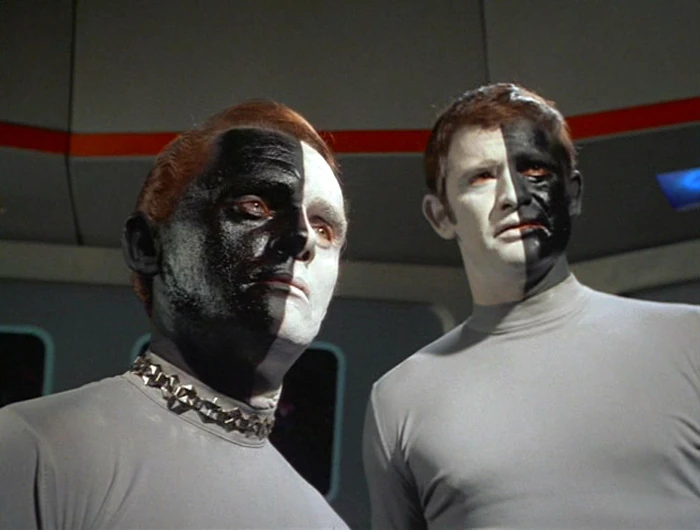
I wanted my first episode on this list to include the entire main crew that continues to appear throughout the movies and reboot stuff. So yes, I was doing a lot of nitpicking concerning the helm for this spot on the list. “Let That Be Your Last Battlefield” has everyone: Kirk, Spock, McCoy, Scotty, Uhura, Chekov, and Sulu. Aside from characters, this episode also gives a good feel for the bold, no-nonsense way The Original Series addresses the issues of its day. The endless struggle between the two different groups of aliens on Cheron makes a poignant statement about race relations. Plus, Captain Kirk gives some great speeches, and almost self-destructs the entire Enterprise.
2. “Devil in the Dark” (S01-E25)-
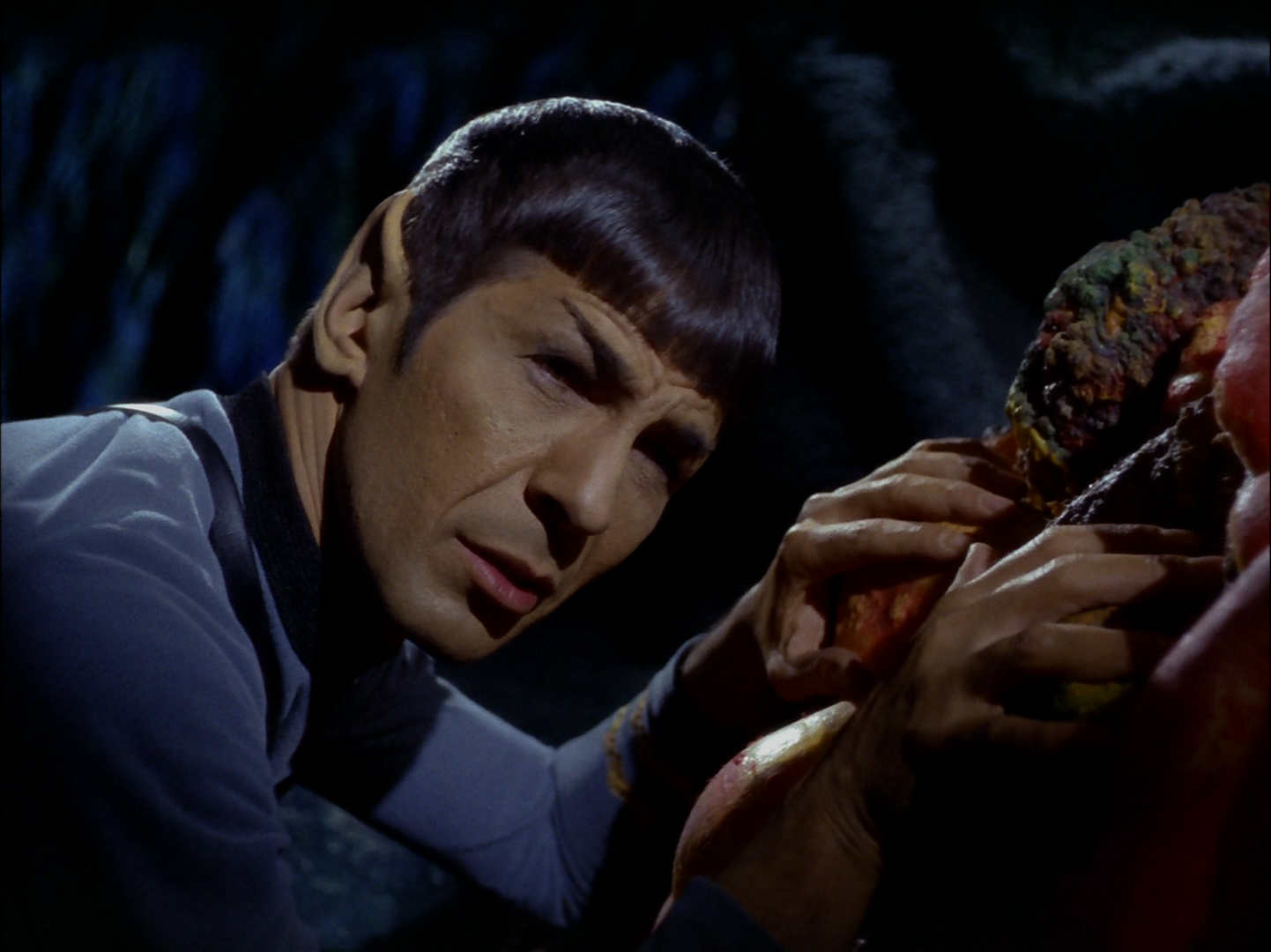
The Original Series introduces so many iconic creatures that it was hard to decide which ones to put on this list, much less which ones to put first. Finally, I decided upon the scary but sympathetic, silicon-based Horta. The antagonist that ends up having sympathetic qualities is a recurring plot device in Star Trek, and the Horta is a good example of it. Plus, Spock performs a harrowing mind-meld, Bones says some iconic lines, and lots of redshirts die.
3. “The Trouble With Tribbles” (S02-E15)-
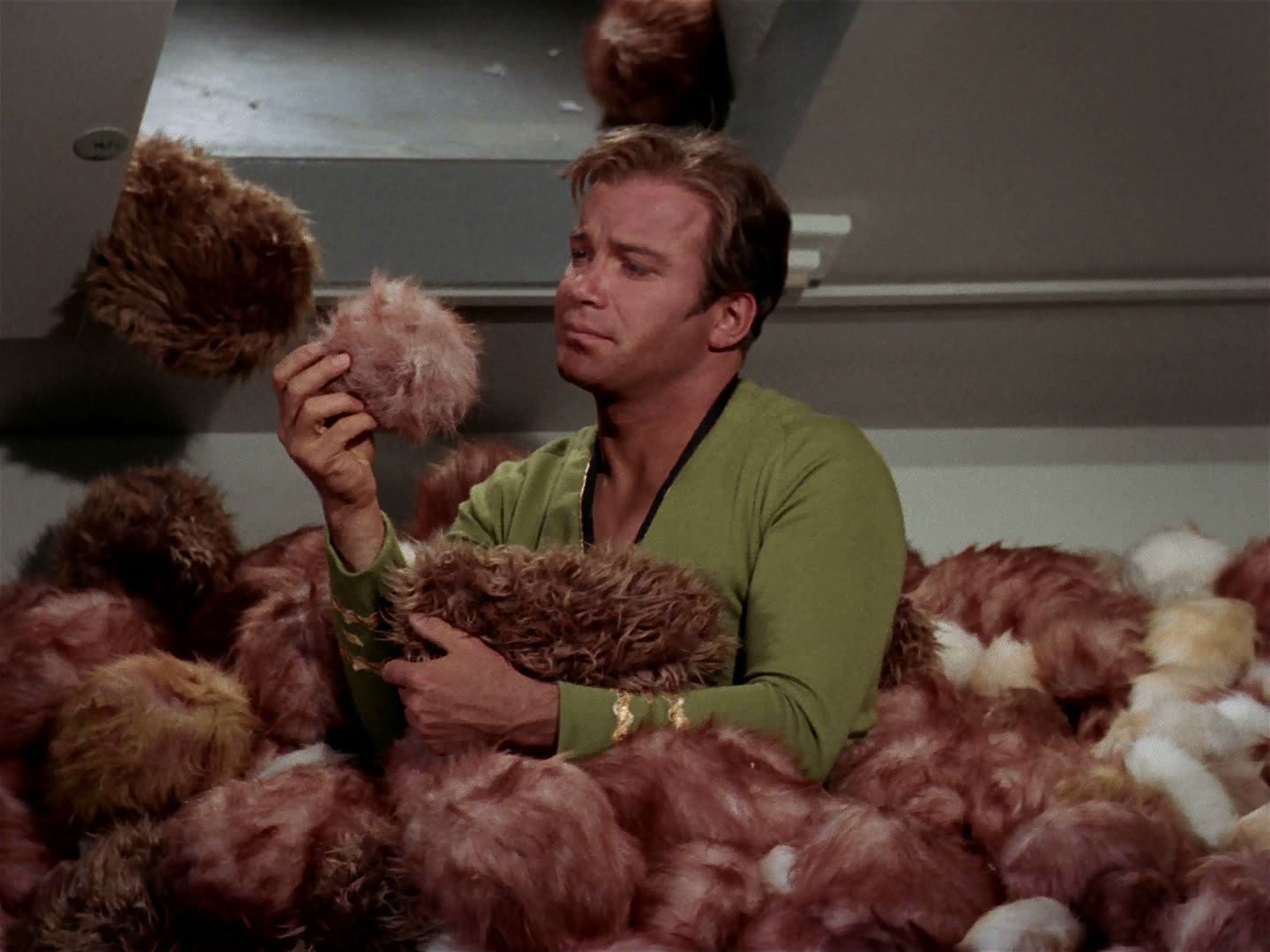
Perhaps the most iconic Star Trek episode. Everyone loves tribbles, (except for Klingons). Delta airlines even has tribbles in their safety procedures video. Look it up! Aside from the lovable but prolific furballs, this episode is also notable as one of the few Original Series episodes featuring the Klingons. Plus, all the characters are over the top! Bones and Spock banter, Kirk yells at bureaucrats, Scotty punches the Klingons that insult his ship, Chekov says that everything was inwented in Russia. It’s just fun.
4. “Amok Time” (S02-E01)-
The first episode of the second season introduces a lot of the things people regularly associate with Star Trek- the Vulcan salute, the fight music, Chekov. Plus, it has the entire cast, develops the Vulcan race, and features Kirk and Spock fighting!
5. “City on the Edge of Forever” (S01-E28)-
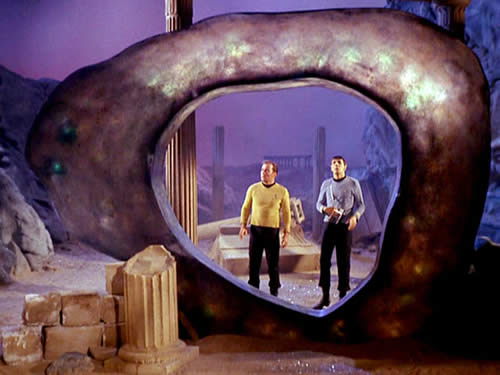
I’ll freely admit that “City on the Edge” is the best episode of the original series. It presents a fascinating time-travel conundrum, and the characters react in a very realistic, human way. It is a great episode of science fiction television, and provides good character development for the characters. So, why didn’t I put it first? Because, I think the real heart of Star Trek- even when the stories aren’t as good as “City on the Edge”- is the characters. When you get to know the characters first, you’ll enjoy them even more in the very best episode, and you’ll still like them even in “The Way to Eden”- if you can make it through all the singing.
6. “Space Seed” (S01-E22)-

Because you want them to understand Wrath of Khan, right? This episode is a great story of the corrupting influence of power, betrayal, loyalty, genetic engineering and suspended animation starring a well-acted and intriguing villain on its own. But when you pair it with the Wrath of Khan, all sorts of themes, ideas, excitement, crying, screaming, and a little bit of confusion, (who was where what season, huh?) ensue.
7. “The Naked Time” (S01-E04)-
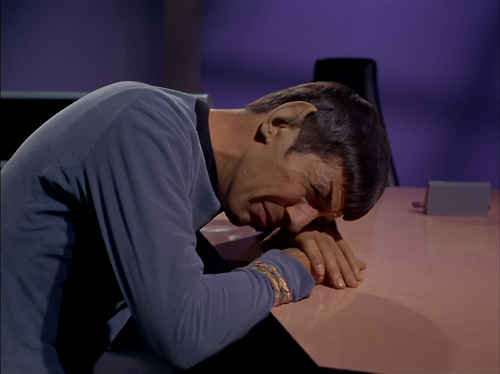
Once you get to know a set of characters, it’s fun to watch them act all out of sorts. Like Spock crying, everyone wants to see Spock crying, (it’s sad, though. I feel for the guy). I’m impressed that the writers were able to so develop the characters in the first three episodes, that the differences in this episode were notable. Also, they invent time warp. Plus, Sulu fences everyone he sees, Kirk dotes on the ship, Kevin Riley, and a lot more clothes than the title implies.
8. “Balance of Terror” (S01-E14)-
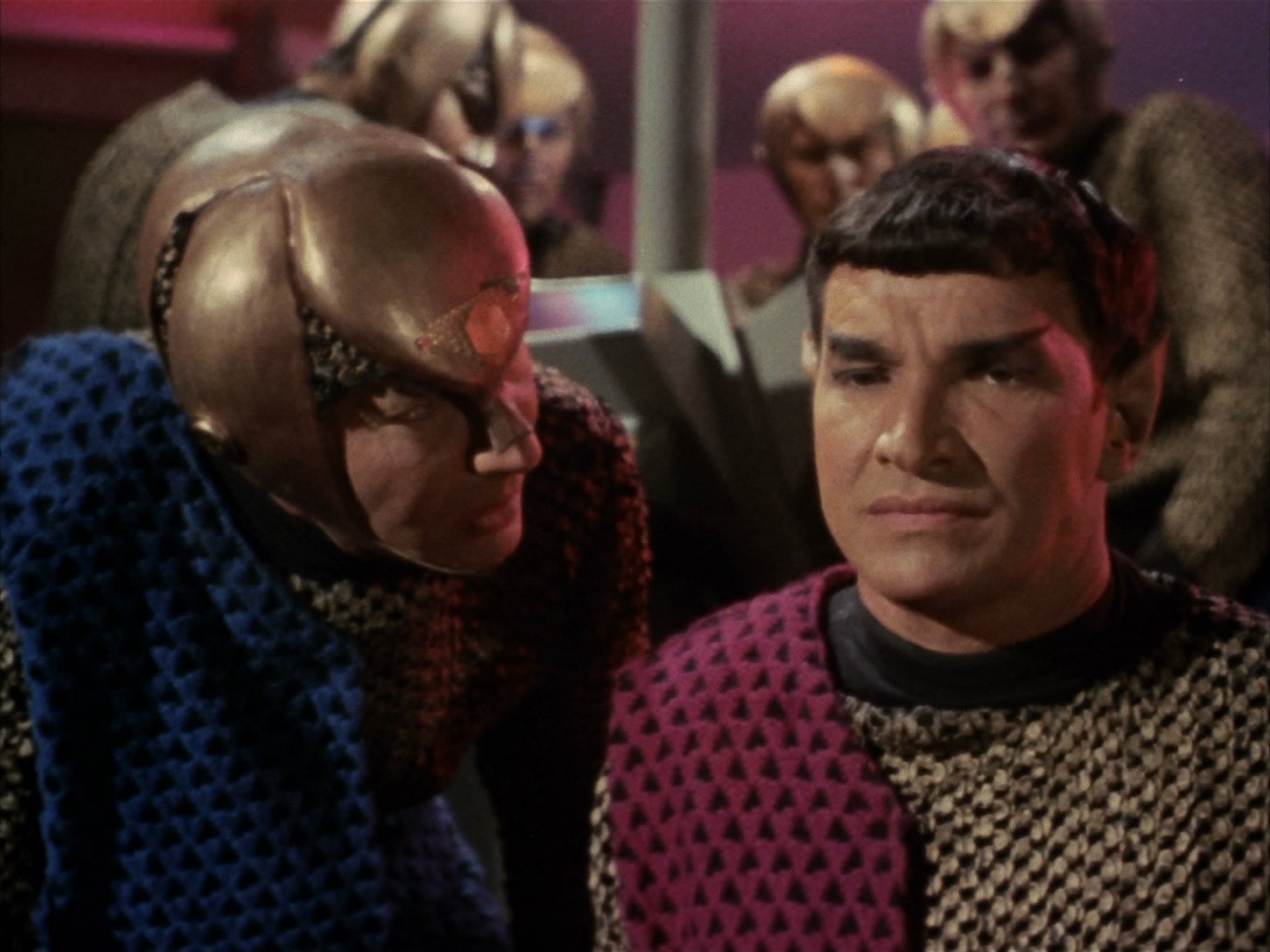
This is one of those great, thought-provoking episodes of Star Trek that makes you wonder things like: “are the people I hate really all that different from me?” It introduces the alien race, the Romulans, and their tumultuous relationship with the Federation- a conflict that continues to be an important plot point even into the reboot movies.
9. “Mirror, Mirror” (S02-E04)-
.jpg/revision/latest?cb=20130729211624)
This is the quintessential alternate universe episode of science fiction television. You have probably heard or seen jokes about or references to Spock’s beard even if you haven’t seen this episode. It is an interesting look into the twisted “could-be” Star Trek universe, and brings the characters face to face with the darker side of their natures. Also, Uhura slaps Sulu in the face, Spock calls people illogical, Chekov screams (it happens a lot in the series and the movies, so get used to it), and everyone smiles creepily.
10. “By Any Other Name” (S02-E22)-

This is one of those episodes where you get to see all the characters in their element. Well, except for the ones who get turned into salt cubes. They are in their elements too, just those elements happen to be sodium chloride… Anyway, Kirk, Spock, McCoy and Scotty have to work together to stop some aliens from the Andromeda galaxy from taking over our galaxy. It’s good, old fashioned Star Trek fun. Also, they almost self-destruct the Enterprise, Kirk gets the girl and gets in a fight, and the only female redshirt to die in the entire series meets her demise.
Thanks for reading. I hope you had fun reading through this list, because I most certainly had fun writing it. Thanks for your support and encouragement over this past year. If you have any thoughts on great Star Trek episodes, or any ideas of things you want to see on the blog moving forward, let me know in the comments!
Keep on glowing in the dark,
Elora