Friday, January 8, 2016

Visions of the Future- Top 5 Eras Since the Golden Age

Around when I was researching the 1920s in sci-fi history, I wrote a similar post to this one about the various eras leading up to the “Golden Age” of sci-fi that lasted from the 1930s to the 1950s. Well, just like most sci-fi franchises these days, I’m updating that concept for the modern times.

Here are five eras of science fiction history after the “Golden Age”:
1. Space Age Optimism (Late 1950s- late 1960s)-


In spite of the threat of nuclear war, the western world still held out hope for a glorious future, where mankind had tamed the world with technology, and reached out for the stars. Star Trek: The Original Series is one of the best examples of this humanist ideology. Design and architecture were also influenced by this projection into the future. The pinnacle of this era of sci-fi history was probably the Space Race between the United States and the Soviet Union, when real human beings fulfilled the prophecies of science fiction writers by setting out into space, and setting foot on the moon.
2. Space Age Pessimism (1970s)-


Man had been to space, and to the moon, and yet the world was still a fallen place. Sci-fi writers of the 1970s questioned the bright future that had previously envisioned through stories like Logan’s Run, and Alien. Science fiction might have slid further down into this dystopian cynicism were it not for a certain 1977 space fantasy that split the genre into two diverging paths.
3. Franchise Sci-fi/ Cyberpunk (1980s)-


After Star Wars, there was a saturation of space adventures like Battlestar Galactica in popular culture. Many creators followed Star Wars’ example, and attempted to build multi-faceted franchises that appealed to younger audiences. However, not all science fiction fell into this trend. A new sci-fi sub-genre called cyberpunk became popular with some. Blade Runner, the film based off of Philip K. Dick’s “Do Androids Dream of Electric Sheep”, is a good example of the fusion of high technology and the dark underbelly of society.
4. Nostalgia (1990s-2010s)-
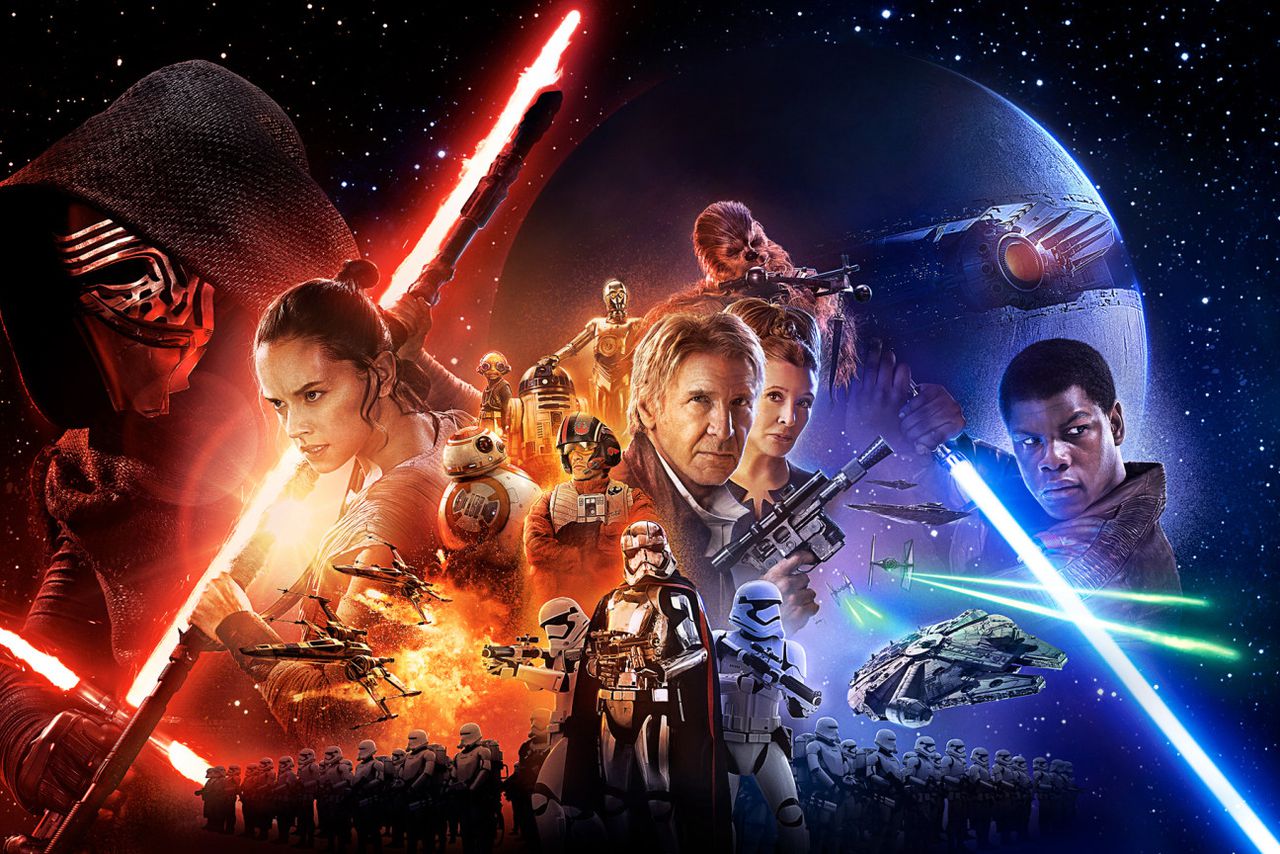

The most recent trend in mainstream science fiction has been a return to the stories of our youth. I’m not saying that there have been no original ideas in the past twenty or so years. I’m only noticing the tendency to remake old material. The 1990s saw some great new ideas, such as Stargate, which took their cues from previous sci-fi and lovingly referenced it. More recently, we have seen continuations of older franchises, such as Star Wars, and an exorbitant amount of reboots and adaptations, such as the Star Trek reboots, and the Marvel Cinematic Universe adaptations of Marvel Comics’ stories. This isn’t all bad. In fact, some of these are very good stories that deserve to be brought back to public attention. However, it does leave one to wonder what the contribution of this generation will be to the future of the genre.

5. Metaphysical Focus? (2010s-?)


What does the future hold for science fiction? For many years now, science has been tied in with the secular, and science fiction has been considered a secular art. However, with the increasing religious tension in the world, and the quest of the millennial generation for metaphysical significance in life, it is becoming more and more evident that secularism isn’t going to lead us to that bright and shining future. To me, it seems that science fiction must incorporate spiritual elements as reality more and more in order to be honest about the world around us. I think that now is the prime time for Christians to break into the genre, and make an impact on the culture through sci-fi stories. Maybe I’m just an idealist, and need to hop in my time machine and go back to the 1950s, but I really do see an awakening in Christian geek culture that could lead to a new wave of literature, TV, and film that recognizes the truth of both the physical and metaphysical aspects of humanity.
What do you think of these categories? What do you think is coming next for science fiction? I’d love to hear your opinions in the comments.

Keep on glowing in the dark,

Elora

Visions of the Future: The 2000s- Nothing New Under the Sun


One of the defining features of the first decade of the twenty-first century was globalization. Advances in internet technology allowed detailed information to be sent over long distances instantaneously. In 2002, the euro became the currency of the economically connected European Union.

The new globalization did not necessarily foster peace and universal understanding, however. Tensions continued to increase in the Middle East. The United States was pulled deeper into the conflict after the attack on the World Trade Center towers in 2001.

Science Fiction:

Literature-


In 2000, Ken MacLeod wrote Cosmonaut Keep, which won the Arthur C. Clarke award in 2001, and the Hugo award in 2002. It played on the conflict that had marked the previous half-century, as it featured a rebooted U.S.S.R., which once again grappled against the United States. It also told the story of earth colonists trying to develop trade relations with an interstellar trade union.


The same year, Ursula K. Le Guin published her first follow up novel in The Hainish Cycle since 1974, The Telling. The plot centered on the conflict between native culture and corporate culture.


Many consider Schild’s Ladder, written by Greg Egan and released in 2002, to be the hardest science fiction published to date.  It presents a construction in differential geometry as the main science element of the story.


Kim Stanley Robinson presented an alternate history of earth in which the Black Plague had killed 99% of Europe’s population, and postulated the historical ramifications of such a catastrophe in The Years of Rice and Salt, published in 2002.


The first historically focused dictionary on science fiction was published by Oxford University Press in 2007, and entitled Brave New Words.


Young adult fiction became a more and more lucrative genre, with the publication of series such as J.K. Rowling’s Harry Potter saga, and The Hunger Games trilogy by Suzanne Collins. The Hunger Games features a near-future dystopia in which North America is separated into twelve districts, from each of which young people are sent yearly to compete in a battle to the death. The first novel, called The Hunger Games, was published in 2008.
Film-


Minority Report was a 2002 film starring Tom Cruise, and directed by Steven Spielberg.  Based on a Philip K. Dick story, it featured individuals with psychic powers who were able to solve crimes before they were committed.


Signs, directed by M. Night Shyamalan, took the terror of invasion explored in stories such as War of The Worlds, and Alfred Hitchcock’s The Birds, and focused in on one disheartened preacher and his family as they struggled to survive an extraterrestrial attack. It came out in 2002.


Star Wars completed its prequel trilogy about the rise and fall of Anakin Skywalker with Attack of the Clones in 2002, and Revenge of the Sith in 2005.


Acclaimed creators of many computer animated family films, Pixar Studios, delved into science fiction in 2008 with Wall-E. The titular robot was left on earth to clean up after the humans, who had over-polluted it, and left the planet on a generation ship.


The Star Trek: The Next Generation films concluded in 2002 with Star Trek: Nemesis. In 2009, J.J. Abrams directed a reboot of Star Trek: The Original Series called simply, Star Trek, which starred a new cast as the crew of the U.S.S. Enterprise in a universe slightly altered from the one fans knew and loved.

Television-


In 2001, Star Trek released its first ever prequel series with Star Trek: Enterprise. It starred Quantum Leap’s Scott Bakula as captain of the first Starfleet ship to set out on a deep space mission, as well as the first Starfleet ship called Enterprise.


Joss Whedon’s Firefly, which focused on the lovable renegade crew of The Serenity premiered in 2002, and was infamously cancelled after one season. Due to a firestorm of fan fury, the crew was given a final outing in the 2005 film Serenity.


Wildly popular survival sci-fi show Lost premiered in 2004. The premise was a philosophical and postmodern look at the survivors of a plane wreck stranded on an island.


The same year, Battlestar Galactica received a darker, more nihilistic update that became an instant favorite within the science fiction community.


Due to the popularity of Stargate: SG-1, a spinoff show was launched in 2004 that focused on a Stargate headquarters in the Pegasus galaxy, which was located in the original city of Atlantis, built by a race known as The Ancients.


After being cancelled in 1989, and creating a television movie in 1996, Doctor Who finally made a comeback in 2009, with a reboot series that picked up where the film had left off. It starred Christopher Eccleston as the ninth incarnation of The Doctor, and Billie Piper as his companion Rose Tyler. The series continues on today, with Peter Capaldi now playing the 12th Doctor.

Keep on glowing in the dark,
Elora

Visions of The Future- Top 5 Most Iconic Sci-fi Characters of the 20th Century

Remember way back in April, when I made a similar post about the characters of the 19th century? Well, this is like that but with 20th century characters. Sound simple? I thought so too, until I sat down to write the list.

Here is what I managed to come up with after weeding out some characters that I thought were iconic, and leaving what are,(hopefully), the legends of modern mythology.

5. The Doctor (Doctor Who)-


A character that has survived on television over a span of fifty-three years and twelve main actors certainly deserves a spot on this list. What is about the Doctor that continues to compel us? Is it the mystery? The quirkiness? The compassion? Perhaps it is that perfect blend of elements that keeps us asking the question “Doctor Who?”

4. Captain America (Marvel Comics)-


Even as the product of the Second World War, Captain America draws in readers and viewers from all generations. His belief that goodness and nobility still exist, and that there is still a right thing to do is particularly striking in an era of postmodern anti-heroes.

3. Darth Vader (Star Wars)-


I really wanted to put the entire original Star Wars crew at this spot in the list, but eventually, I settled for Darth Vader. Ultimately, the first six films are about his fall and redemption. And aside from R2-D2, no other character designs have reached quite the level of public recognition as that sinister, black mask.

2. Spock (Star Trek)-


Once again, I wanted to put the entire original crew on the list. They embody space age optimism, and the hopes and fears of the final frontier. But Spock is the most iconic, and the most, well, fascinating.

1. Batman and Superman (DC Comics)-


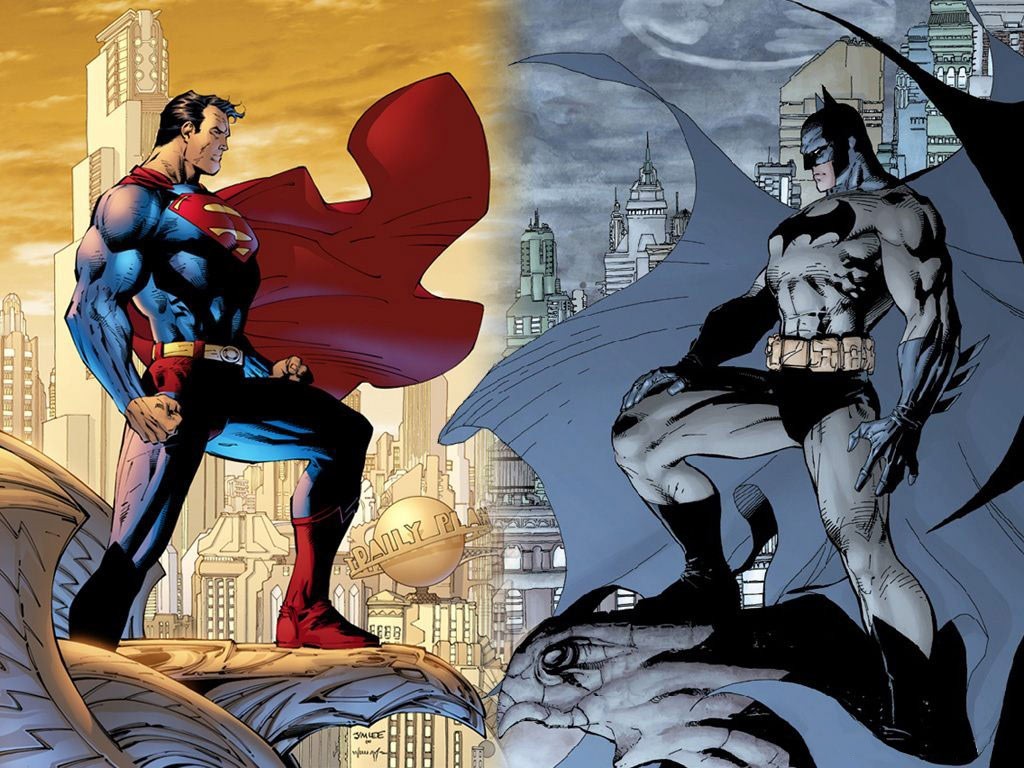
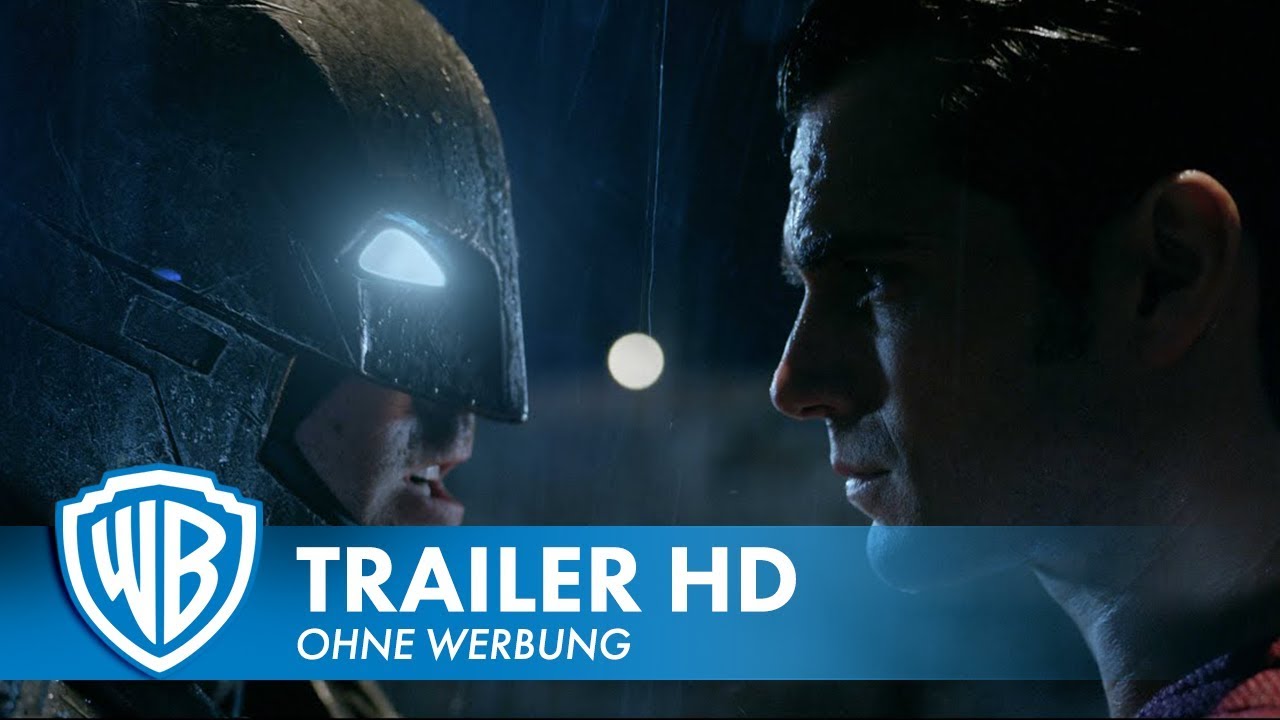
I tried to pick one. I really did. You can’t separate Batman and Superman, though. They represent the two sides of human nature- cynicism and hope. And yet both work together, (ideally), to fight injustice and promote peace.

I’m really interested to hear your opinions on this subject. Who do you think were the most memorable sci-fi characters of the 20th century? Who are your favorites? Take a moment to comment if you feel so inclined.

Keep on glowing in the dark,
Elora